
Newsletter
APRIL 2026
In This Issue
SUSTAINABILITY EFFORTS
MEDIA
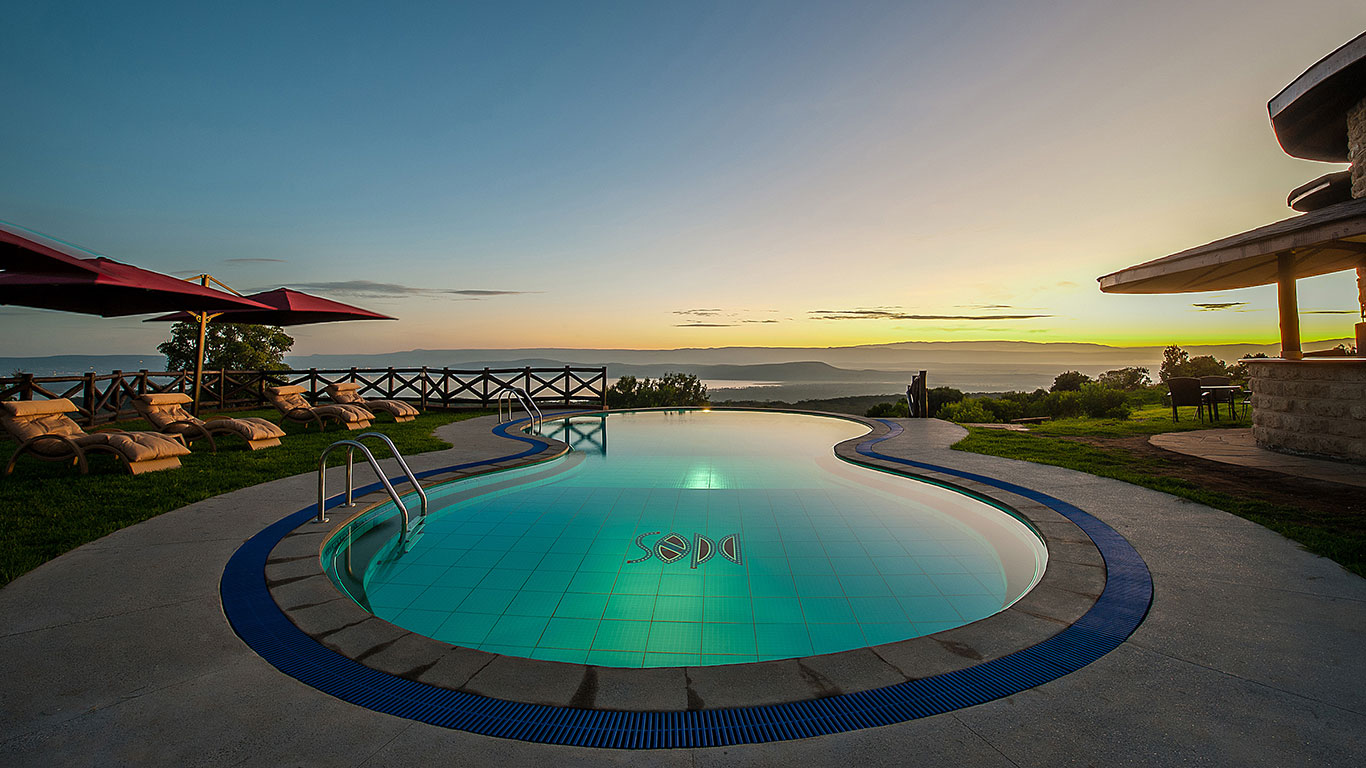
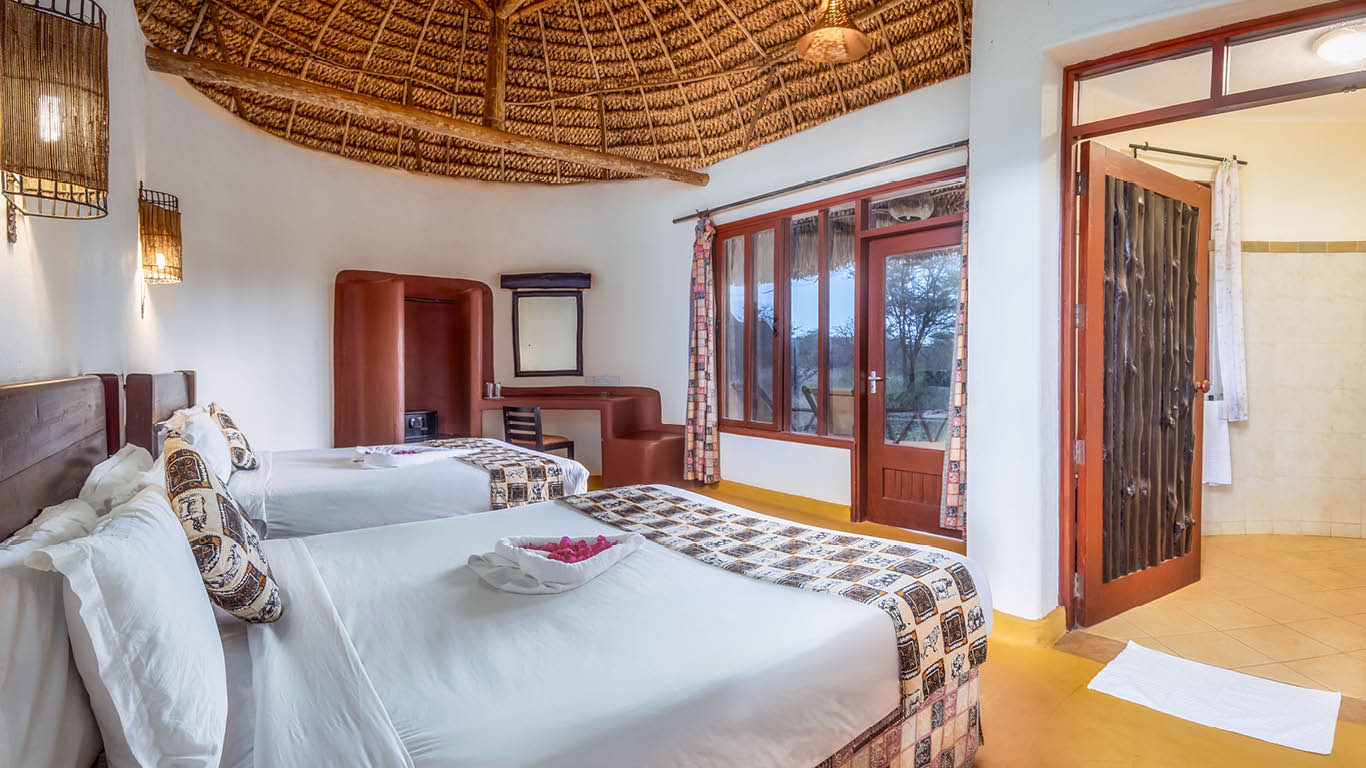
There is something truly captivating about our Lake Nakuru Sopa Lodge, located on the rim of the Great Rift Valley with views of the shimmering lake and its bird-draped shores. From every room and vantage point across the property, guests are treated to breathtaking panoramas that blend wildlife silhouettes and endless horizons, setting the stage for an escape like no other.
Begin your day with a guided nature walk alongside our expert naturalist, uncovering the vibrant birdlife of over 450 species and the ancient secrets of traditional medicine drawn from the surrounding flora. Unwind further with our massage services available upon request, tailored to melt away the day's adventures in serene privacy.
As evening falls, gather for a Koroga experience deep into the night, a hands-on culinary adventure where families or teams cook alongside our skilled chef, fostering laughter and connection over fresh, local flavours. Challenge friends or family at our infinity pool, cocktail in hand, as you gaze across the lake or test your precision at our archery range, turning playtime into friendly competition.
To crown it all, set-off on a game drive through Lake Nakuru National Park, where rhinos, giraffes, lions and a kaleidoscope of birdlife come alive. At Lake Nakuru Sopa Lodge, every moment is crafted to stand out, inviting you to immerse in nature’s finest, reconnect meaningfully and create memories that linger long after departure.
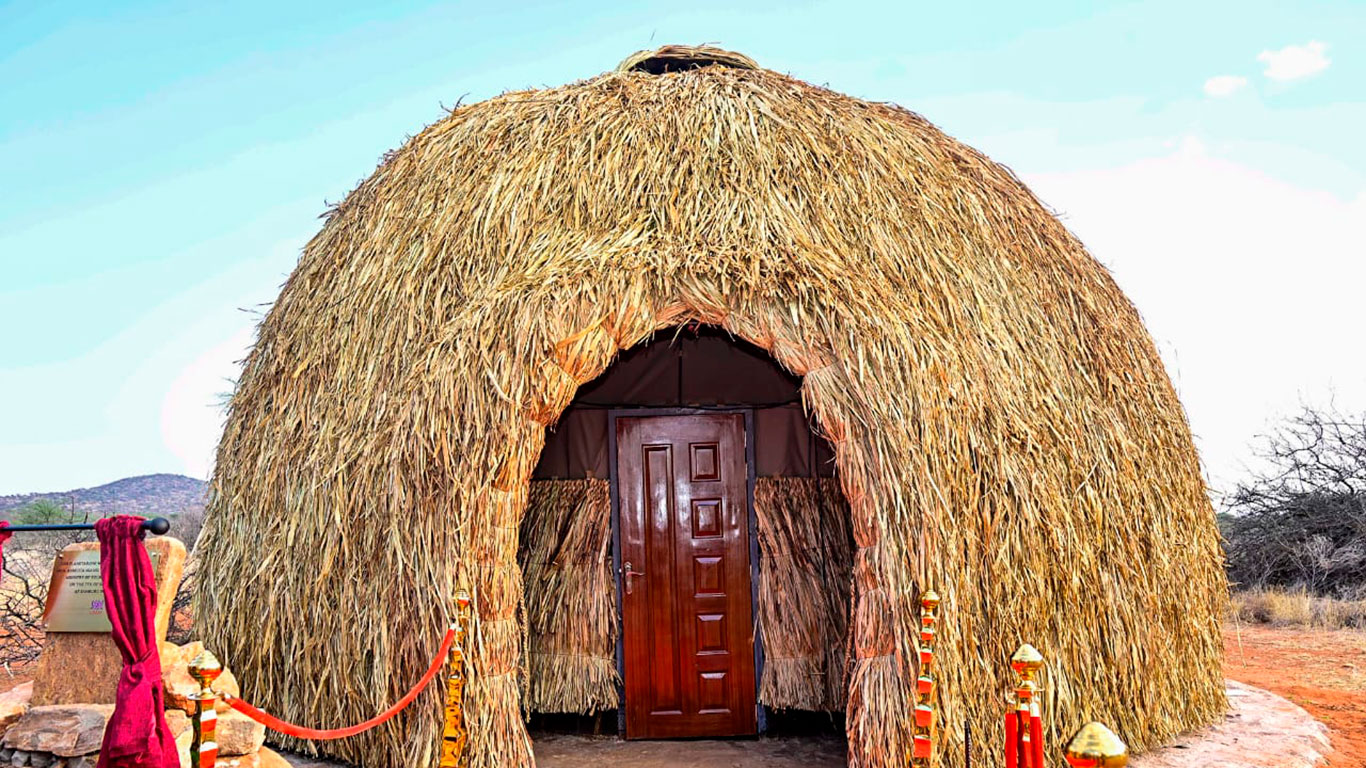
There is something truly special about Samburu after sunset. At our Samburu Sopa Lodge, guests are invited to experience an Astro-tourism journey that brings together safari, culture and the wonders of the night sky in one unforgettable evening.
Set on the equator and beneath some of Kenya's darkest skies, Samburu offers a rare opportunity to witness celestial views from both the Northern and Southern Hemispheres, an experience few places on earth can offer.
The evening begins with dinner under a canopy of stars, followed by cultural storytelling around the bonfire. Here in Samburu, star lore comes alive through our trained Sopa cultural astronomers, connecting ancient wisdom with the night sky above.
Guests then embark on a guided exploration of the cosmos using binoculars, telescopes and laser pointers, uncovering distant galaxies, star clusters and constellations in breathtaking detail. The experience concludes with an immersive planetarium session, offering a deeper journey into the cosmos.
To enhance this experience even further, we have upgraded our planetarium with a 4K laser projector, delivering sharper, brighter and more vivid visuals. From galaxies to constellations, every detail is brought to life with remarkable clarity, making the experience even more immersive and unforgettable.
Whether you are travelling as a couple, a family, a solo explorer or part of a group, Sambru Sopa's Astro-Tourism is a rare invitation to slow down, look up and reconnect with the universe in a truly meaningful way.
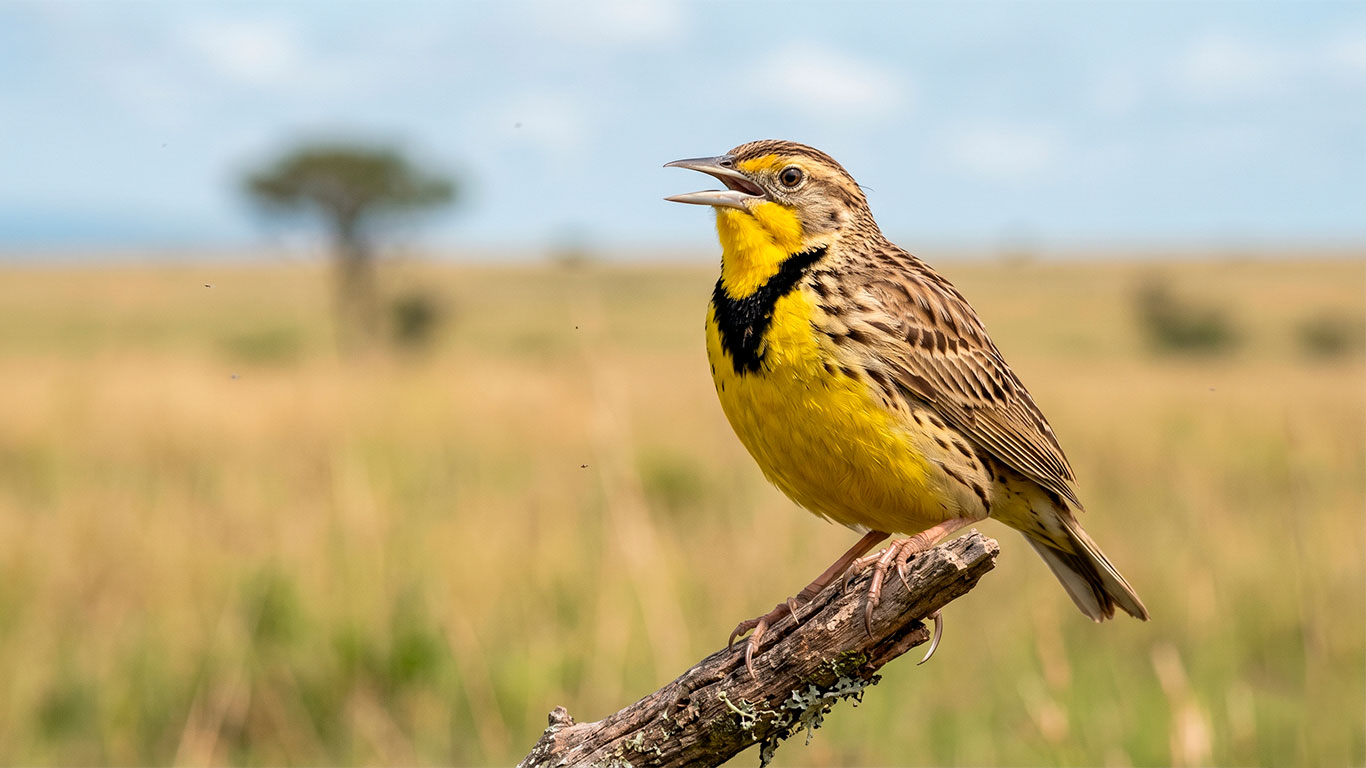
(Macronyx Croceus) is a vibrant ground-dwelling songbird native to the grasslands and savannahs of sub-Saharan Africa. Despite its name and appearance, it is not a true lark but belongs to the family Motacillidae, which includes pipits and wagtails.
Key Characteristics.
Appearance
Easily identified by its bright lemon-yellow underparts and throat, which is framed by a broad circular black necklace. Its upper parts are streaky, subdued brown that provides camouflage when it is on the ground. Females have a dull colour .
Habitat
It prefers moist grassland, grassy savannas and areas near water or seasonal floodplains. They are often seen in protected areas such as the Maasai Mara, Serengeti, and Aberdare National Park. They serve as a signature species of East African savanna landscapes.
Behaviour
Mostly solitary or found in pairs, it forages on the ground for insects like grasshoppers and beetles. Males are known for their whistled ‘chuu-ew’ songs, often delivered from a prominent perch like a bush or fence post.
Nesting
They are ground-nesters, building a cup of grass well-hidden within a thick clump of vegetation
Significance
These birds serve as vital ecological indicators; their presence signifies healthy, wet, or seasonally flooded grasslands and savannahs. As insectivores that feed on grasshoppers, beetles, moths, and larvae, they play a crucial role in managing insect populations within their habitats. Furthermore, they carry a strong natural symbolism. Due to their vibrant yellow throats and vocal nature, they are often associated with brightness and song. Their presence is widely regarded as a sign of a vibrant and healthy ecosystem.
Conservation Status
The species is currently evaluated as Least Concern globally due to a stable population trend, but it is considered a resident species, meaning it stays in its habitat year-round, making it highly dependent on the stability of those specific grasslands.
How to distinguish yellow throated long claw from the similar Pangani long claw.
Yellow throated long claw, considered ‘unique ‘ due to its striking appearance, a bright yellow throat and chest, bordered by a distinct black collar and its fascinating behaviour. Pangani long claws have orange throat, are smaller, inhabit dry and arid grasslands as opposed to “yellow throated” that prefer wetter and more lush grasslands, have narrower black necklace, are paler with whitish undertail covert.
Compiled by Joseph Yenko - Naturalist- Masai Mara Sopa Lodge
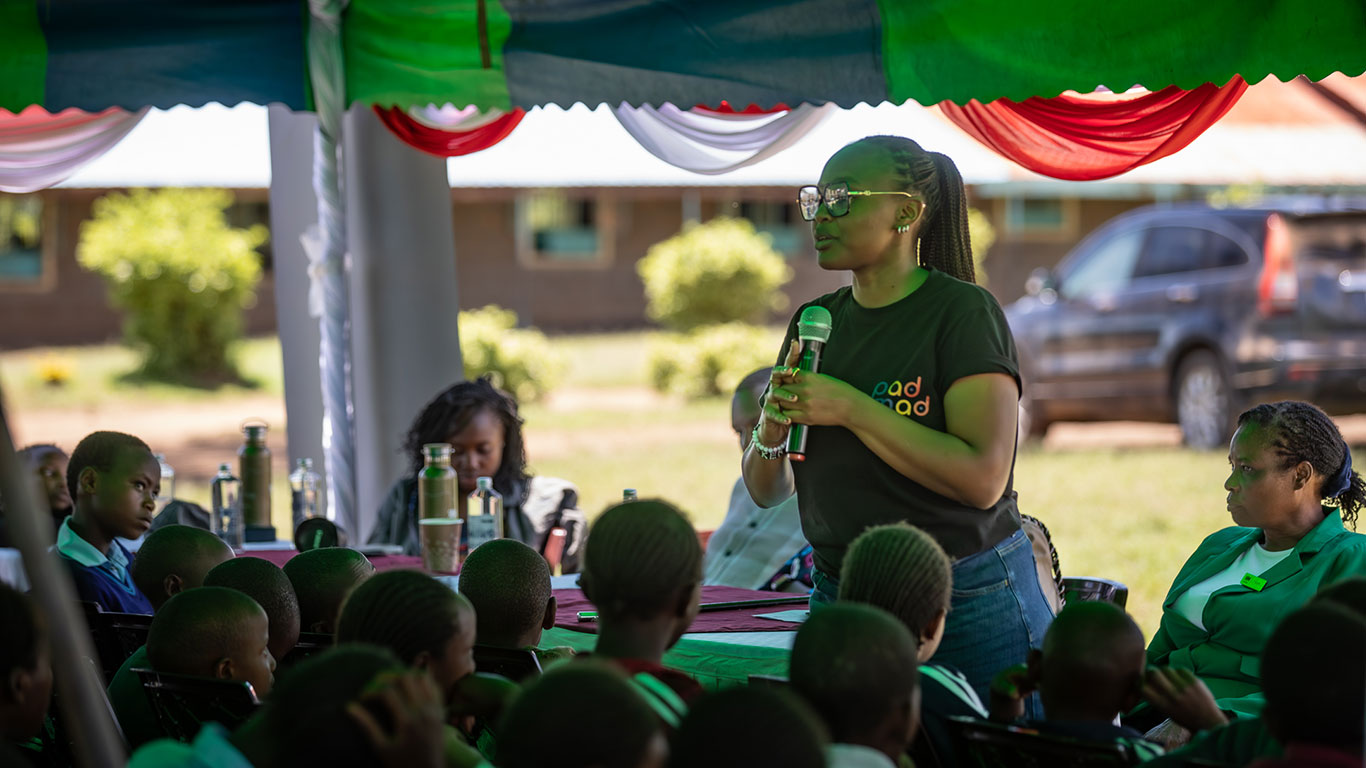
As part of its commitment to community engagement and social impact, the Land & Life Foundation, our sustainability arm together with the Lake Nakuru Sopa Lodge team and in partnership with Padmad Kenya, led a two-day menstrual health and hygiene campaign at Naishi Comprehensive School in Njoro, Nakuru County from the 25th to the 26th of March 2026.
The initiative reached students and members of the wider Naishi community through interactive workshops addressing key aspects of menstrual health and hygiene. It also included a menstrual health ambassadors’ workshop for team members at the lodge. The sessions focused on debunking myths, reducing stigma, and equipping both girls and boys with essential knowledge on hygiene practices and reproductive health.
The campaign involved the distribution of reusable sanitary kits, providing timely support amid access challenges for affordable menstrual hygiene products, which often affect the comfort and confidence.
The engagement also strengthened collaboration with key stakeholders, including the school’s Board of Management, the leadership of Naishi Senior Secondary School, the local administration led by the Acting Chief of Mauche Location Jane Wanga, and representatives from Lake Nakuru National Park.
“We are grateful to the Land & Life Foundation, Lake Nakuru Sopa Lodge, and Padmad Kenya for taking the time to engage with us and share your expertise on menstrual health. This initiative will have a lasting positive impact on our school, and we are confident it will help boost confidence and reduce absenteeism among our young girls.” expressed Ms. Louis Muge, the headteacher at the school.
The menstrual health programme reflects the shared commitment of Sopa Lodges and its partners to advancing community well-being, in alignment with the Land & Life Foundation’s sustainability pillars of People and Partnerships.
Written by Dominic Wanjiru - Program Officer at Land & Life Foundation
THE VOICE DAILY: How Sky Watching Technology is Putting Remote Samburu Village on the Global Map
DARLIFE: Your Perfect Gate Away Awaits
TRAVTALK: Beyond the Big Five: How India is becoming the leading market for Masai Mara Sopa Lodge
TRAVTALK - SAMBURU: Beyond the Big Five: Why Samburu Sopa Lodge is winning hearts
TRAVTALK - AMBOSELI: Amboseli Sopa Lodge eyes numbers with culinary excellence, multi-gen appeal
BW HOTELIER: How IndiGo Is Powering India-Africa Leisure and Hospitality Flows